
History of Loch Tay
One of Scotland's most beautiful and historically significant freshwater lochs View our Loch Tay Self Catering PropertiesLoch Tay is one of Scotland’s most beautiful and historically significant freshwater lochs. Nestled in the heart of Highland Perthshire, the loch stretches for around 15 miles (24 kilometres) from Killin in the west to Kenmore in the east and has been a focal point for human activity for thousands of years.
From prehistoric crannogs and ancient Celtic tribes to medieval clans and Victorian tourists, the history of Loch Tay is woven into the story of Scotland itself. Today, visitors can explore this remarkable heritage while enjoying the loch’s stunning scenery and tranquil surroundings.
Prehistoric Loch Tay
The story of Loch Tay begins thousands of years ago.
Archaeological evidence shows that people lived around the shores of Loch Tay during the Bronze Age and Iron Age. One of the most remarkable discoveries has been the remains of ancient crannogs – artificial islands built in the loch and used as homes or defended settlements.
These ingenious structures were constructed using timber, stone and brushwood, creating secure homes surrounded by water. Many of the crannogs at Loch Tay date back more than 2,500 years, providing an extraordinary insight into prehistoric life in Scotland.
Excavations and underwater surveys have uncovered tools, pottery, jewellery and household items, revealing that the people who lived here were skilled craftspeople with thriving communities.
The Scottish Crannog Centre
One of the best ways to experience Loch Tay’s ancient history is by visiting the reconstructed Iron Age crannog on the northern shore of the loch.
The Scottish Crannog Centre recreates how people lived over 2,000 years ago, with traditional roundhouses, demonstrations of ancient crafts and hands-on activities for visitors of all ages.
The original reconstruction was based on archaeological findings from Loch Tay itself and became one of Scotland’s most important living history attractions. Following a fire in 2021, the centre began creating a new visitor experience, continuing its mission to bring Scotland’s ancient past to life.
Today, the centre remains an important part of Loch Tay’s heritage and a fascinating destination for visitors interested in archaeology and early Scottish history.
Ancient Peoples and the Picts
Long before Scotland existed as a nation, the Loch Tay area was inhabited by Celtic peoples and later became associated with the Picts.
The Picts dominated much of northern and eastern Scotland during the early medieval period. Although little is known about their language and culture, carved stones and archaeological discoveries throughout Perthshire demonstrate their influence across the region.
Over time, Gaelic culture spread eastwards from the west coast of Scotland, gradually becoming the dominant language and tradition around Loch Tay. Many place names around the loch still reflect these Gaelic origins.
The name “Loch Tay” itself comes from the Gaelic Loch Tatha, meaning the “Loch of Tay”, while the River Tay, Scotland’s longest river, flows out of the loch at Kenmore and continues eastwards to the North Sea.
Clans and Medieval Loch Tay
During the medieval period, Loch Tay was at the centre of clan territory and Highland politics.
The surrounding lands were controlled by powerful families including the Campbells, MacGregors and Menzies, whose fortunes often rose and fell through alliances, disputes and battles.
The MacGregors in particular have a strong connection with the western shores of Loch Tay. Their turbulent history included periods of persecution after conflicts with rival clans and the Scottish Crown. Despite this, their legacy remains an important part of the area’s identity.
Meanwhile, the Menzies family established their seat nearby at Castle Menzies, while the Campbells extended their influence across much of Highland Perthshire.
Throughout these centuries, Loch Tay served as an important route for travel, trade and communication through the Highlands.
The Legend of the Lady of the Lake
Like many Highland lochs, Loch Tay is steeped in folklore and legend.
Stories have been passed down for generations about mysterious water spirits, hidden treasures and the enchanting Lady of the Lake.
One legend tells of a beautiful woman who emerged from the waters of Loch Tay to marry a local man. After many happy years together, she eventually returned to the loch, disappearing forever beneath its surface.
These tales form part of Scotland’s rich oral tradition and continue to add mystery and romance to the loch today.
Victorian Tourism and the Arrival of Visitors
The nineteenth century transformed Loch Tay.
As railways expanded across Scotland and interest in Highland scenery grew, visitors began flocking to the area. Writers, artists and wealthy travellers were drawn by the dramatic landscapes, picturesque villages and romantic atmosphere.
The villages of Killin and Kenmore developed into popular holiday destinations, with hotels, inns and guest houses welcoming visitors from across Britain and beyond.
Steamboats operated on Loch Tay during this period, carrying passengers along the loch and offering leisurely excursions surrounded by spectacular mountain scenery.
The Victorian era firmly established Loch Tay as one of Scotland’s premier holiday destinations, a reputation it retains to this day.
Hydro-Electric Power and Modern Loch Tay
In the twentieth century, Loch Tay became part of Scotland’s ambitious hydro-electric schemes.
The construction of dams and power stations across the Highlands helped provide electricity to remote communities and transformed parts of the landscape. Loch Tay itself remains an important water source within the wider Tay catchment area.
Today, conservation efforts help protect both the natural environment and the rich archaeological heritage of the loch.
Visitors can explore walking trails, historic villages and museums while learning about the thousands of years of history that have shaped this remarkable part of Scotland.
Loch Tay Today
Modern Loch Tay combines natural beauty with an extraordinary sense of history.
Ancient crannogs lie beneath its waters, medieval clans are remembered in local stories and traditions, and visitors continue to arrive just as they have for generations.
Whether you’re interested in archaeology, Scottish clans, folklore or simply enjoying the landscapes that have inspired people for thousands of years, Loch Tay offers a unique journey through Scotland’s past.
Its history is not confined to museums or books – it lives on in the villages, the mountains and the waters of the loch itself, making every visit an opportunity to discover another chapter in the story of Loch Tay.
Our Loch Tay Self Catering Properties
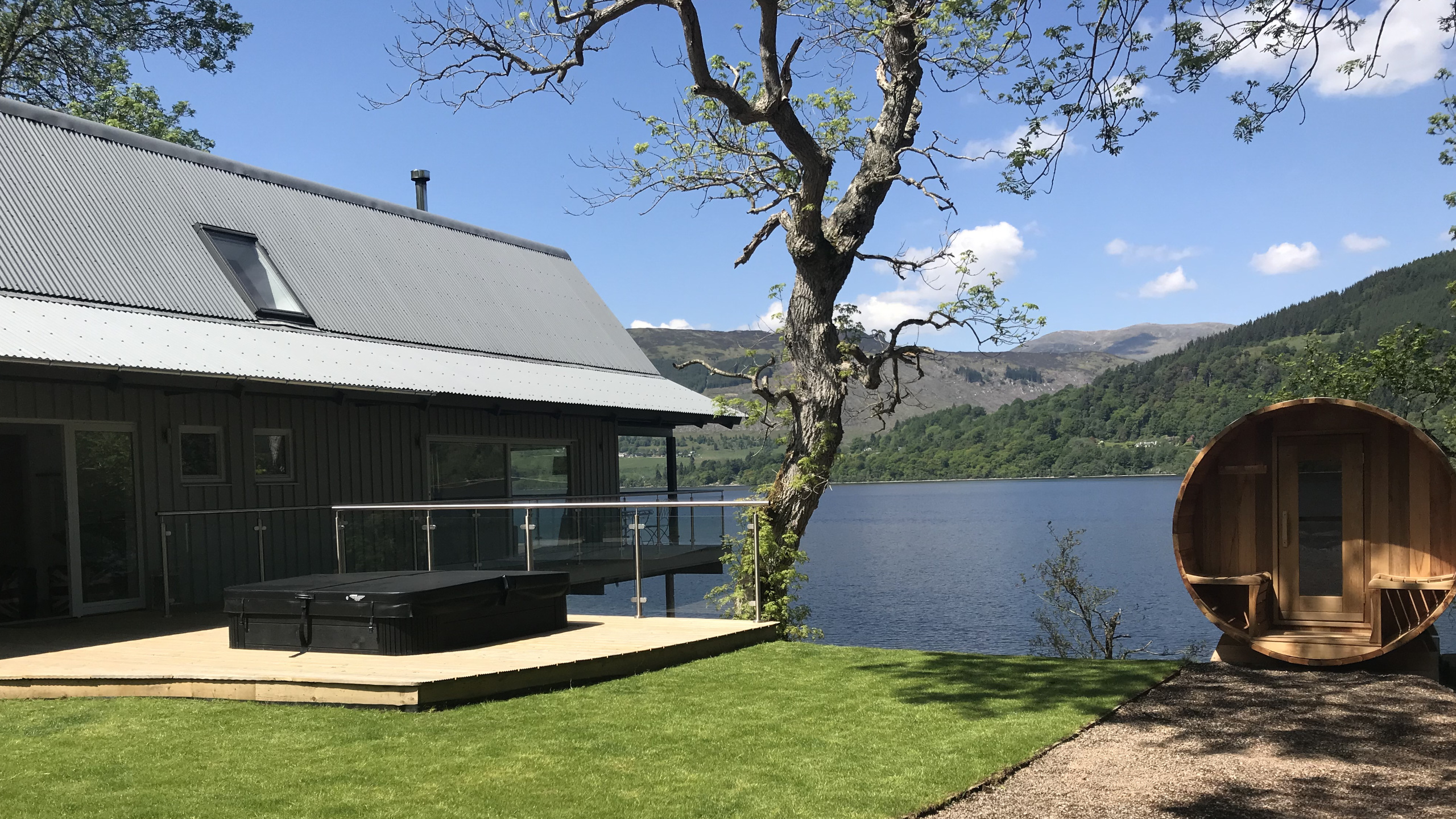
Oyster Self Catering Cottage Loch Tay
~ Boathouse on stilts
~ Loch Tay lochside property
~ Sleeps 4
~ 2 Bedrooms
~ 2 Bathrooms
~ Hot Tub & Barrel Sauna
~ Loch Tay fishing rights
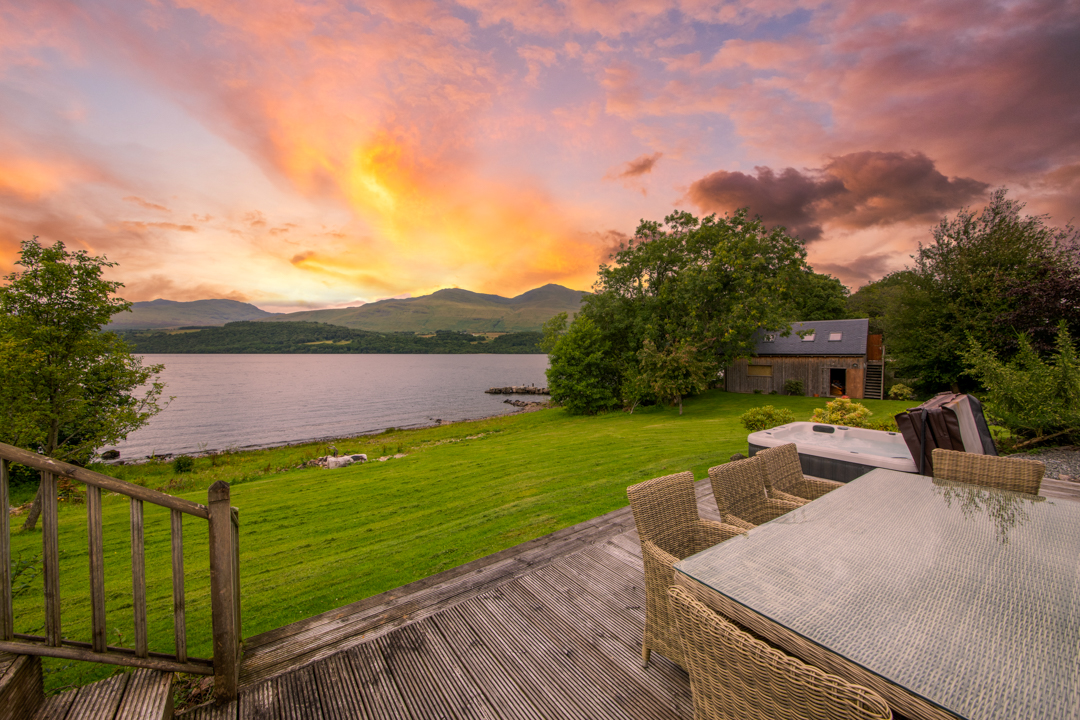
Ardeonaig Self Catering Loch Tay
~ Loch fronted cottage
~ Sleeps 8
~ 4 Bedrooms
~ 4 Bathrooms
~ Hot Tub
~ Loch fronted games room
~ Ardeonaig Hotel nearby
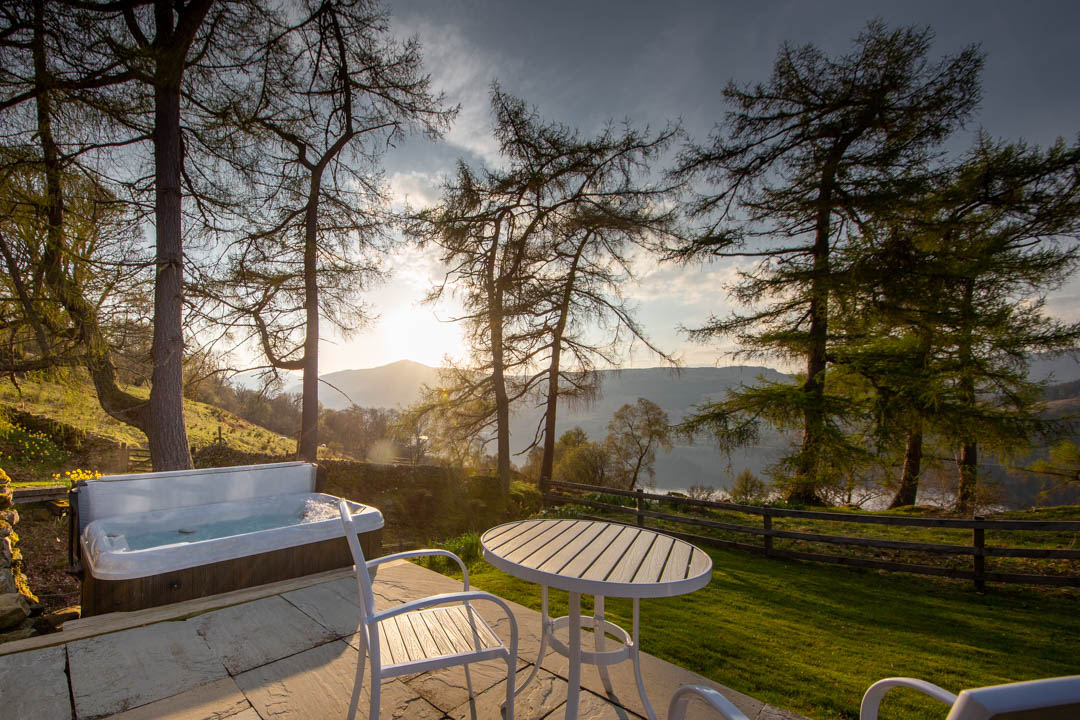
Waterfall Self Catering Loch Tay
~ Boathouse on stilts
~ Loch Tay lochside property
~ Sleeps 2
~ 1 Bedroom
~ 1 Bathroom
~ Hot Tub
~ Log Burner
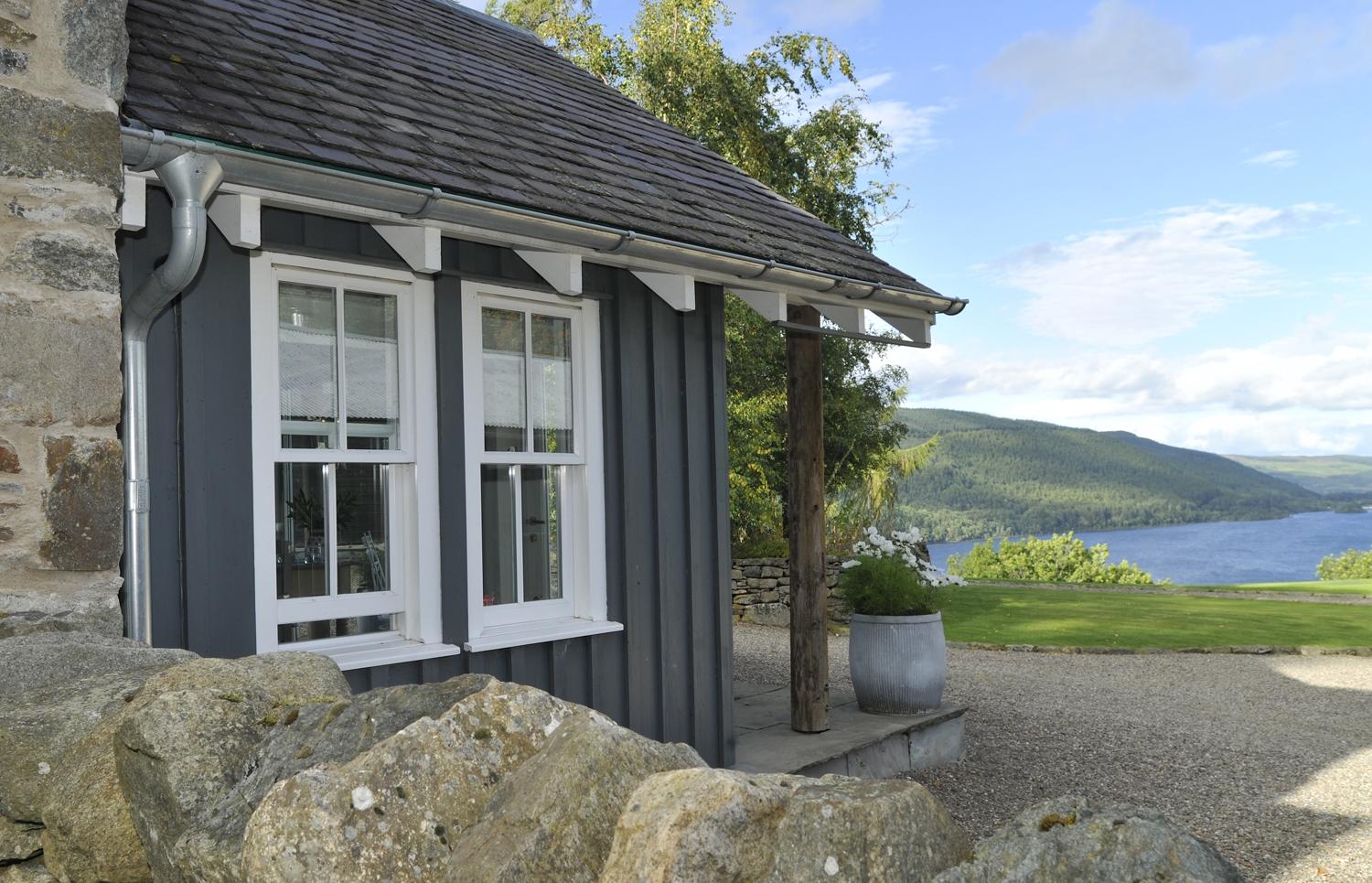
Sky Self Catering Cottage Loch Tay
~ Ideal couples retreat
~ Sleeps 2
~ 1 Bedroom
~ 2 Bathrooms
~ Loch Tay Views
~ Log burner
~ Private Woodland